When the Patent Office Says no, it isn't always the last word
/
🚧 Your patent application got rejected. That doesn't always mean your invention isn't patentable.
On September 17, the Federal Circuit sided with a medical-device company against the Patent Office, and the reasoning should encourage any business owner sitting on a rejection letter.
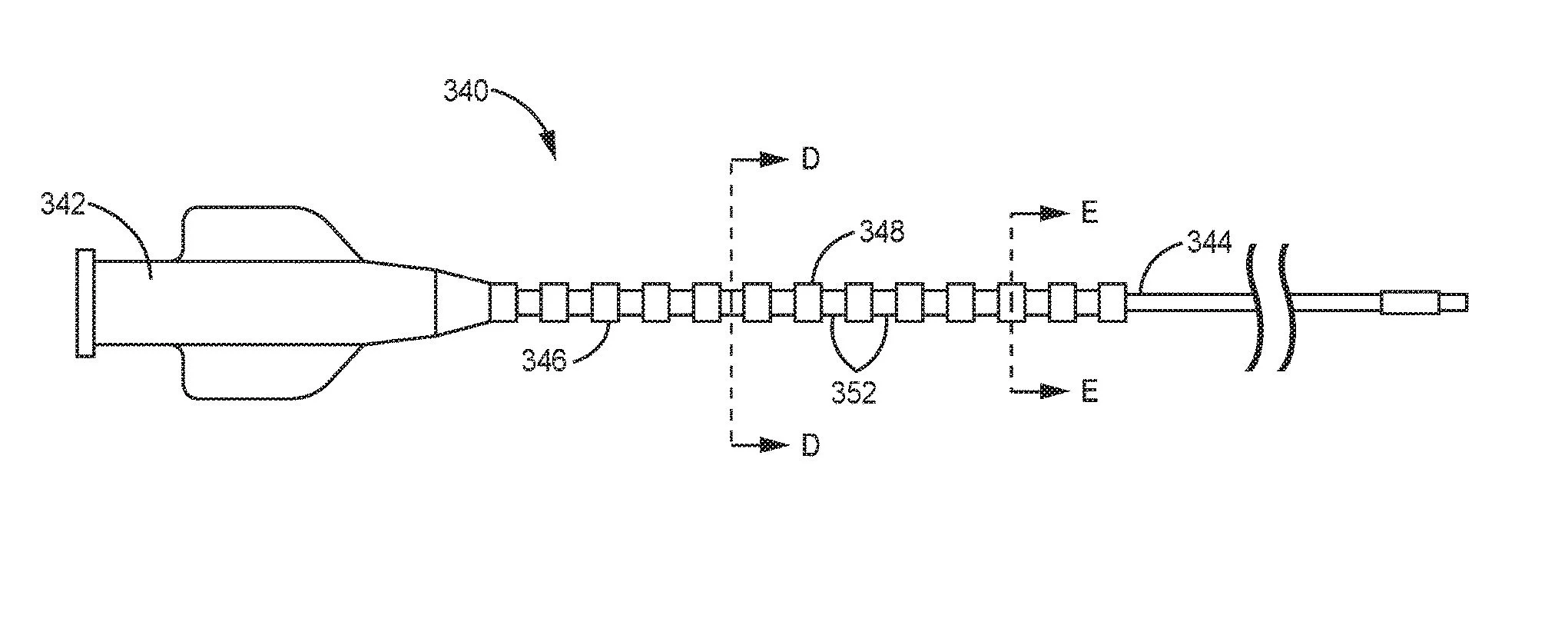
In 𝘐𝘯 𝘳𝘦 𝘐𝘯𝘤𝘦𝘱𝘵 𝘓𝘓𝘊, No. 2025-1900 (Fed. Cir. Sept. 17, 2026), Incept applied for a patent on a catheter with a ridged "anchoring strain relief" piece. Its claim said each ridge forms a "flow barrier" from the catheter's surface to the top of the ridge, essentially a seal that keeps fluid from leaking past.
The examiner and the Patent Trial and Appeal Board rejected the claim as obvious. To get there, they read "flow barrier" to mean any solid piece sitting somewhere in that area, even if fluid could still slip underneath it. Read that loosely, an older catheter design looked close enough.
The Federal Circuit said that went too far. The Patent Office gets to read claims broadly, but not so broadly that the words stop meaning what the inventor's own application describes. Incept's application said over and over that the ridges seal. A "flow barrier" that lets fluid through isn't much of a barrier. The court threw out the rejection and sent it back to the Board to try again under the correct reading, and ordered the Patent Office to pay Incept's appeal costs.
Why this matters if you own a small business with an invention (or a patent application in progress):
- A rejection isn't automatically the end. There is an appeal path, first to the Board and then to the Federal Circuit, and examiners do get it wrong.
- Your application's description is your best evidence. Incept won because its specification clearly and repeatedly explained what the invention does. Don't skimp on describing how and why your product works.
- Watch how your key words get read. If the Patent Office stretches a term to match older designs, push back with your own application's language.
One caveat: Incept doesn't have its patent yet. The Board still has to take another look. But it gets a fair look now, and that's often all an inventor needs. If you're staring at a rejection, it's worth a second opinion before you walk away from your invention.
Case: In re Incept LLC, No. 2025-1900 (Fed. Cir. Sept. 17, 2026) (nonprecedential)
Opinion: https://lnkd.in/gmhBU9Uj
This post is for general informational purposes only and is not legal advice.
#PatentLaw #SmallBusiness #Inventors #MedicalDevices #IntellectualProperty #FederalCircuit